Industry News · Regulatory & Compliance
EU MDR Article 16: When Medical Device Relabelling or Repackaging Changes Distributor Responsibilities
A practical EU MDR Article 16 guide for medical device distributors assessing translation, relabelling, repackaging, QMS, notification, and traceability duties.

Preface
Changing medical device packaging for an EU market can look like a simple artwork task. Under Regulation (EU) 2017/745, however, Article 16 distinguishes activities that may cause an importer, distributor, or other person to assume manufacturer obligations from specific relabelling and repackaging activities governed by Article 16(2) to (4). The operational boundary matters before a company translates information, adds a label, opens a carton, or changes pack presentation.
MDCG 2021-26 is the European Commission guidance dedicated to this question. It explains that the analysis depends on who performs the activity, why it is necessary to market the device in a Member State, whether the original condition of the device is affected, and whether the operator works independently or as a subcontractor acting on behalf of and under the control of the manufacturer. This guide provides a decision framework, not legal advice.
01
Start with the operator and the legal control boundary
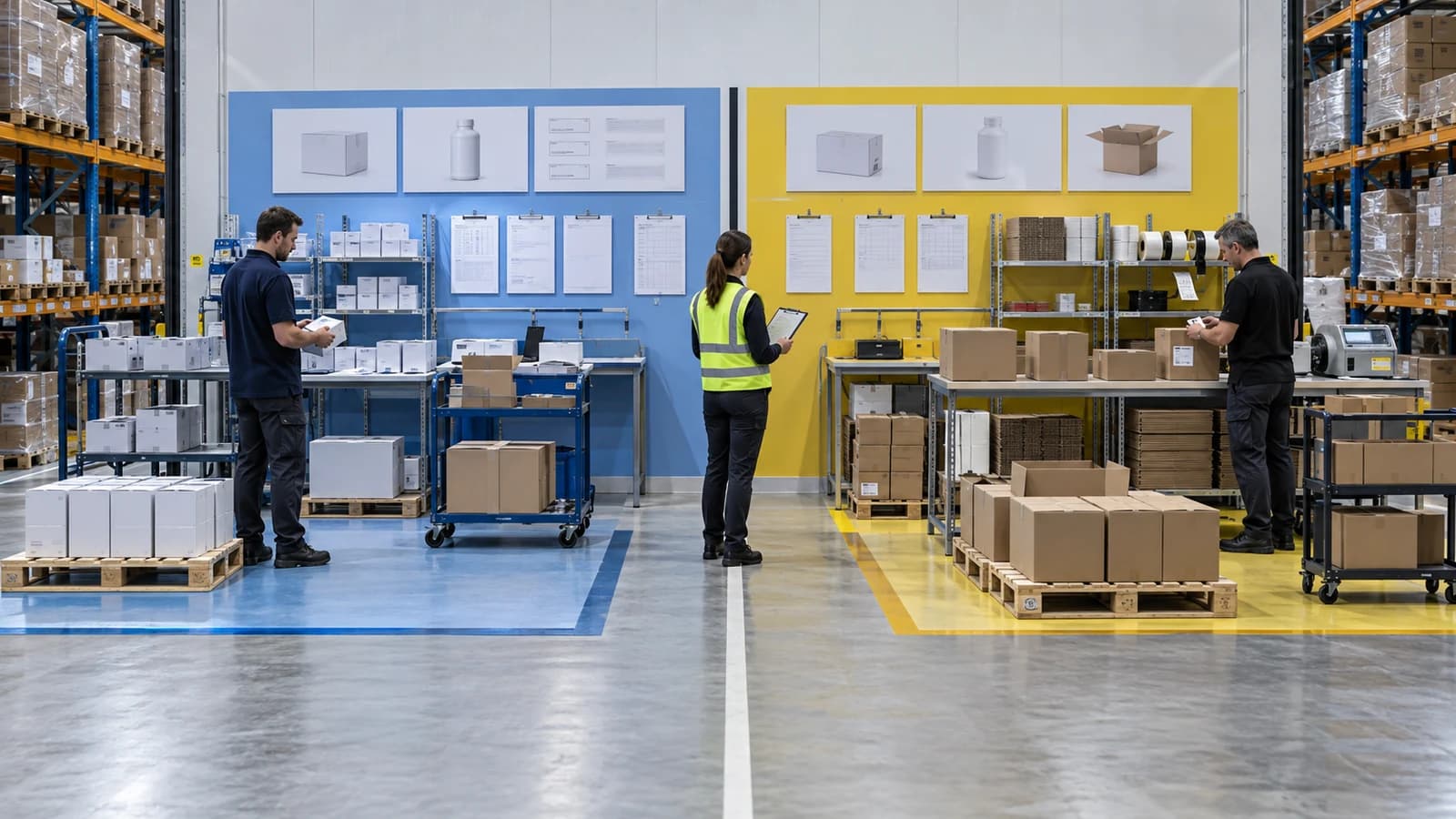
Do not begin with the printing file. Begin by identifying the economic operator, the owner of the process, and the agreement under which the work is performed. MDCG 2021-26 states that Article 16(2), (3), and (4) do not apply to entities that are subcontracted by the manufacturer to perform relabelling or repackaging on the manufacturer's behalf and under its control. That is different from an importer or distributor independently modifying presentation after the device is placed on the market.
A responsibility map should show the manufacturer, authorized representative where applicable, importer, distributor, translation provider, packaging site, and certification body if Article 16(4) certification is relevant. Record who approves content, releases the work, handles complaints, maintains traceability, and communicates changes. A commercial contract label alone does not settle the regulatory analysis; the actual activities and control relationship need competent review.
02
Separate translation and relabelling from repackaging
Article 16(2)(a) addresses providing, including by translation, information supplied by the manufacturer that is necessary to market the device in the relevant Member State. Article 16(2)(b) addresses changes to the outer packaging, including a change of pack size, that are necessary to market the device, provided the repackaging cannot affect the original condition of the device.
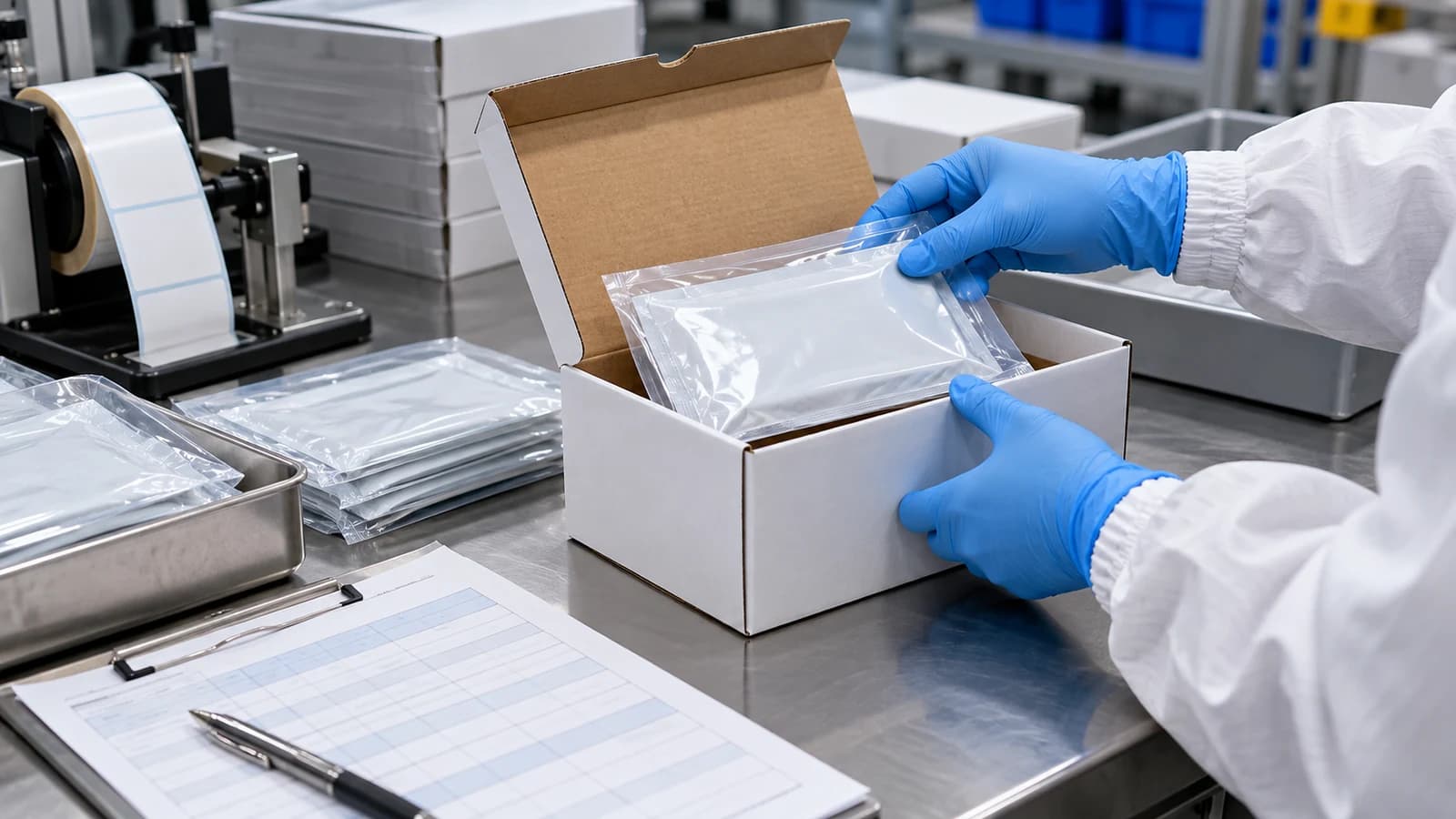
Operationally, these are not interchangeable. A translated label or supplementary information layer raises language, content, placement, legibility, version, and obscuration questions. Opening or replacing outer packaging adds controls for environment, handling, seals, package integrity, mix-up prevention, and reconciliation. If the activity could affect sterile packaging or device condition, the risk boundary becomes especially important and should not be resolved from a general blog article.
03
Protect the original condition and package information architecture
A packaging review should map every information layer: device label, immediate package, outer carton, instructions for use, importer information, distributor information, language versions, UDI-related information where applicable, and any additional label. The team should confirm that new material does not conceal or contradict manufacturer-supplied information and that the final presentation remains legible and traceable.
Package integrity requires a physical process review, not just an artwork proof. Define permitted tools and opening points, work-area conditions, in-process checks, seal or closure verification, line clearance, component reconciliation, rejected-material control, and final inspection. The evidence should match the product and packaging system. A photograph of an attractive carton is not evidence that the process preserves device condition.

Middle Article Support
Map Your Localized Packaging Scope
Share the device, EU market, languages, operator roles, and proposed label or package changes for a focused project discussion.
Discuss Packaging Scope04
Understand the QMS, identification, and certification questions
Article 16(3) requires the operator carrying out the activities described in Article 16(2)(a) and (b) to identify the activity on the device, packaging, or accompanying document together with its name, registered trade name or trademark, registered place of business, and address. It also requires a quality management system with procedures ensuring that translation is accurate and up to date and that activities preserve the original condition, among other controls.
Article 16(4) contains notification and certification requirements. MDCG 2021-26 and MDCG 2021-23 provide guidance on these provisions, while notified-body and competent-authority expectations must be confirmed for the actual operation. Teams should not treat a certificate example, another distributor's workflow, or a generic timeline as automatically applicable to their own products and markets.
05
Create a release file that connects content and physical work
The release file can combine the approved source information, controlled translation, linguistic and technical approvals, artwork version, packaging specification, line setup, sample inspection, reconciliation, training, nonconformity handling, and batch or lot traceability. Each record should identify the product, market, language, version, operator, and date.
Change control is equally important. A manufacturer update to a label, instructions, UDI data, warning, symbol, or packaging component can make a local version obsolete. Define how the distributor receives source changes, assesses affected inventory, blocks superseded material, updates translations, and documents the transition. Without this link, a carefully validated process may repeatedly produce an outdated presentation.
06
Questions to settle before localized packaging begins
Ask whether the device is already placed on the market, which Member State and language requirement drives the change, who legally performs the activity, whether the manufacturer controls it, what information will be added or translated, whether any package will be opened, and how the original condition is protected. Then confirm QMS scope, identification, notification, certification, release, vigilance, complaint, and traceability responsibilities with qualified EU regulatory counsel or the relevant conformity-assessment partner.
For an AXDCARE project, the buyer should define the exact product model, destination country, language set, channel, desired packaging activity, importer and distributor roles, and required technical-document discussion. AXDCARE can review the requested commercial and packaging scope, but the applicable regulatory route and final claims must be confirmed for the exact device and market.
07
Sources and regulatory caution
This article is based primarily on the European Commission's MDCG 2021-26 questions and answers on Articles 16(2), 16(3), and 16(4), the Commission's current MDCG guidance index, and MDCG 2021-23 on certification activities. A BSI Article 16(4) FAQ was reviewed as a secondary implementation perspective.
European guidance and interpretations can be updated, and national language or competent-authority expectations may differ. Check the current official sources and obtain qualified advice before implementing an Article 16 process. This article does not determine the legal status of any specific operator or activity.
Summary
EU MDR Article 16 packaging decisions are responsibility decisions. A sound project separates manufacturer-controlled work from independent operator activity, distinguishes information changes from physical repackaging, protects the original condition, and connects every released pack to a controlled QMS and traceability record.
Discuss the intended AXDCARE product, market, language, channel, and packaging scope early so that commercial planning and qualified regulatory review can proceed from the same facts.
Related Links
Product and Sourcing Pages
Frequently Asked Questions
Buyer Questions
Does every translated medical device label make a distributor the manufacturer?+
Not necessarily. Article 16 contains specific provisions for certain information-supply and repackaging activities, and MDCG guidance distinguishes independent operators from subcontractors acting on behalf of and under the control of the manufacturer. The actual arrangement requires competent review.
Is changing an outer carton the same as adding a translated label?+
No. They involve different operational risks. Repackaging can add handling, integrity, reconciliation, and mix-up controls, while translation and relabelling require accurate, current, legible, and non-obscuring information controls.
Can a distributor rely on a generic Article 16 certificate template?+
No. QMS scope, certification, notification, device coverage, and market requirements should be confirmed for the actual operator and activities using current official guidance and qualified advice.
What information should a buyer send before discussing localized packaging?+
Provide the exact device, market, language, operator roles, packaging steps, artwork concept, importer and distributor structure, and the regulatory questions that require confirmation.
End Article Support
Align Product And Market Requirements
Bring your exact model, destination, channel, packaging concept, and open compliance questions to AXDCARE before artwork approval.
Contact AXDCARERelated Reading