Industry News · OEM/ODM Guides
Wrist Blood Pressure Monitor OEM: How Buyers Prepare Compact Packaging and Manual Requirements
Plan a wrist blood pressure monitor OEM project with practical checks for compact packaging, manual wording, claim control, sample review and documentation alignment.
Preface
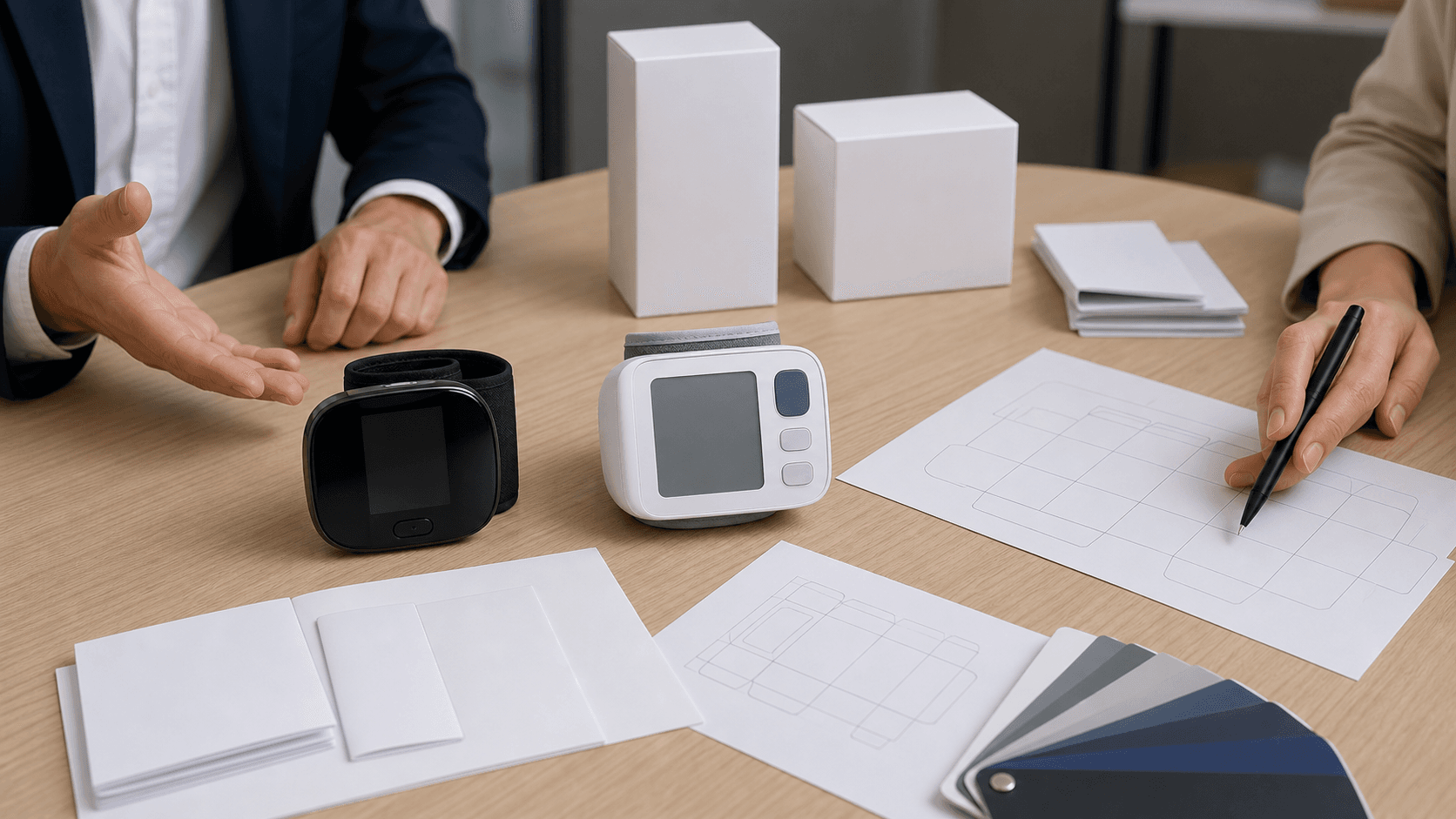
A wrist blood pressure monitor OEM project often begins with a compact product format and a packaging idea. Before quotation, buyers should turn that idea into a structured brief that covers the sample model, package size logic, manual requirements, artwork process, claim wording and destination-market documentation.
AXDCARE's current site includes wrist blood pressure monitor models such as BP-A01 and A605. This article uses those models as product-context references without inventing unsupported technical values, certifications, approval status, capacity or clinical claims.
The buyer's goal is to keep the OEM process clear enough for supplier review while preventing unverified claims from entering packaging, manuals or product pages.
01
Start With the Product Format and Channel
Wrist blood pressure monitors are compact compared with many upper-arm formats, so buyers often focus quickly on retail packaging and shelf presentation. That is useful, but package design should begin with the product format, accessory configuration and sales channel.
A buyer should state whether the product is intended for distributor catalog sales, pharmacy-style retail, marketplace listings, promotional programs or another channel. The channel affects carton priorities, instruction visibility, image requirements and after-sales support materials.
Product education should remain careful. Public health organizations often emphasize proper home blood pressure measurement technique and device selection. OEM content should not imply that a buyer's packaging choices create medical outcomes.
02
Prepare a Compact Packaging Brief
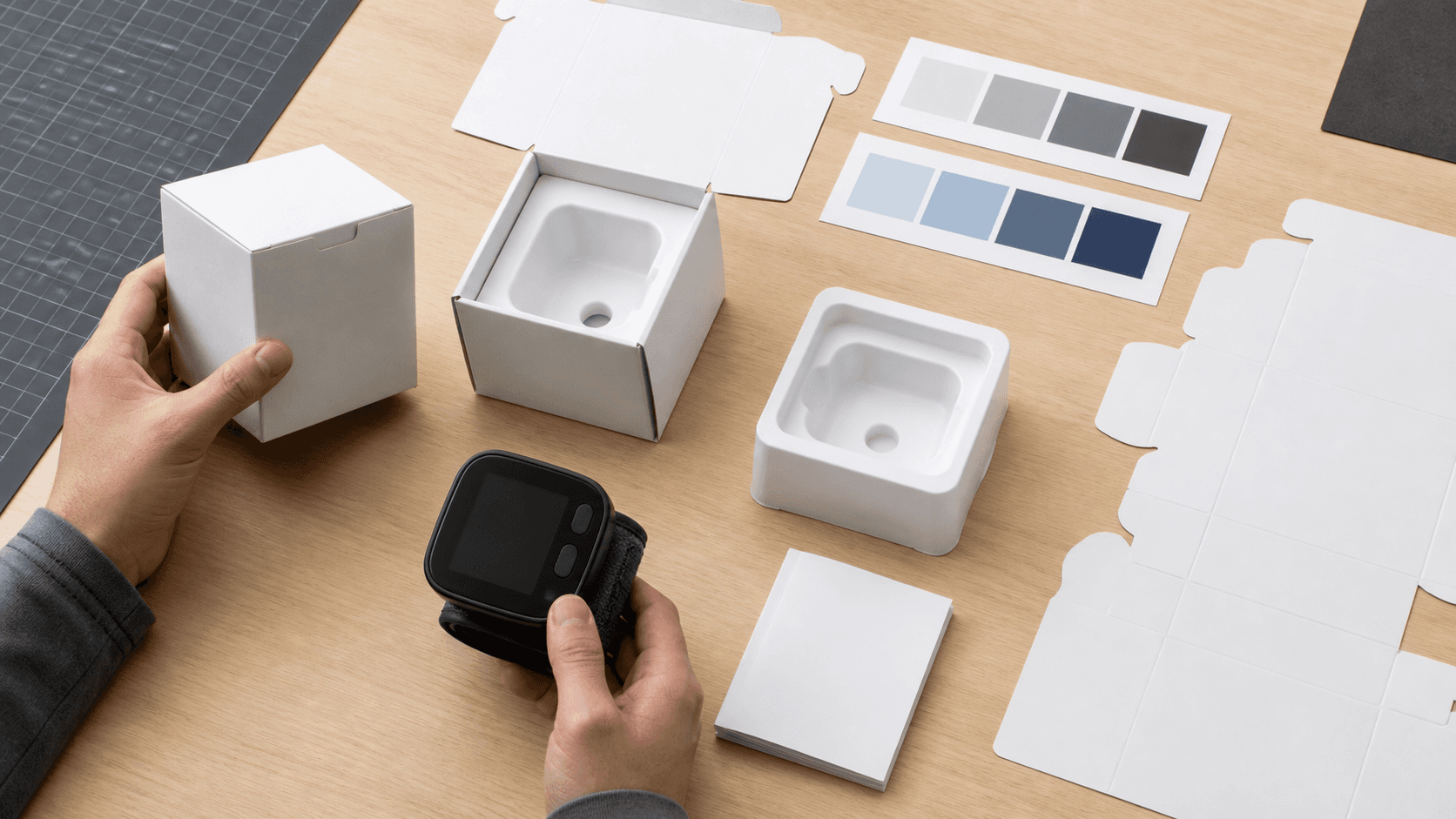
A practical packaging brief should include preferred box style, approximate package positioning, included accessories, manual language needs, color direction, logo placement requirements and any barcode or label placement needs that the buyer can confirm.
For early supplier review, keep artwork files separate from claim language. Color, layout and package structure are design questions; certification marks, approval language, measurement claims and performance values require verified documentation.
If multiple markets will use the same product family, buyers should identify where the package or manual may need market-specific wording before final artwork approval.

Middle Article Support
Prepare a wrist blood pressure monitor OEM brief
Send your channel, packaging direction, manual needs and target market so AXDCARE can review current wrist monitor options.
Request OEM Review03
Manual and Claim-Control Requirements
Manuals should describe the confirmed product configuration and should align with the sample and packaging. Buyers should avoid adding unsupported comparison claims, clinical claims, approval statements or customer-use promises.
A claim-control review should check the outer carton, manual, product page, online listing images, advertising copy and FAQ wording. Unsupported claims can enter the workflow through any of these materials.
For AXDCARE projects, buyers should use the inquiry process to confirm which model details are available and which should remain pending until final documents are reviewed.
04
How to Structure the OEM Inquiry
A strong inquiry includes the target wrist model or product format, expected order channel, package type, manual language, artwork needs, destination market and documentation questions. The buyer should also identify any deadline for sample review or packaging approval.
The supplier can respond more clearly when the brief separates confirmed product needs from open questions. This reduces unnecessary revision rounds and avoids filling gaps with assumptions.
Unapproved or unverified article drafts, package claims or product images should remain outside production materials until the buyer confirms the final scope.
05
Reference Sources
American Heart Association home blood pressure monitoring background: https://www.heart.org/en/health-topics/high-blood-pressure/understanding-blood-pressure-readings/monitoring-your-blood-pressure-at-home
eCFR 21 CFR 870.1130 non-invasive blood pressure measurement system: https://www.ecfr.gov/current/title-21/chapter-I/subchapter-H/part-870/subpart-B/section-870.1130
FDA device labeling overview: https://www.fda.gov/medical-devices/overview-device-regulation/device-labeling
Summary
A wrist blood pressure monitor OEM project should begin with a compact but disciplined brief: model context, channel, packaging, manual language, claim control and documentation needs.
AXDCARE buyers can share their target market and packaging requirements so the team can review current wrist blood pressure monitor options before quotation and artwork approval.
Related Links
Product and Sourcing Pages
Frequently Asked Questions
Buyer Questions
What should a wrist blood pressure monitor OEM brief include?+
It should include the target model or product format, intended channel, packaging format, manual language, artwork needs, accessory configuration and destination-market documentation questions.
Can buyers add claims to OEM packaging during design?+
Claims should only be added when supported by model-specific documentation for the intended market. Design preferences and claim wording should be reviewed separately.
Why use wrist models separately from upper-arm models in image planning?+
Wrist and upper-arm monitors have different product formats and package logic. SEO article images should match the article's product type and should rotate models to avoid repeated visuals.
End Article Support
Discuss wrist blood pressure monitor OEM with AXDCARE
Contact AXDCARE to review model context, compact packaging, manual requirements and documentation questions.
Contact AXDCARERelated Reading